Adults who want a daily habit
People who hit a wall mid-afternoon, lose the thread of a sentence more than they used to, and want a routine rather than a prescription. Wellness support, not medical treatment.
Ten actives in a 600 mg blend. One capsule a day. Sixty days to change your mind. This is the independent MemoHoney reference — every ingredient graded against the research that actually exists, including the three we think you should discount.
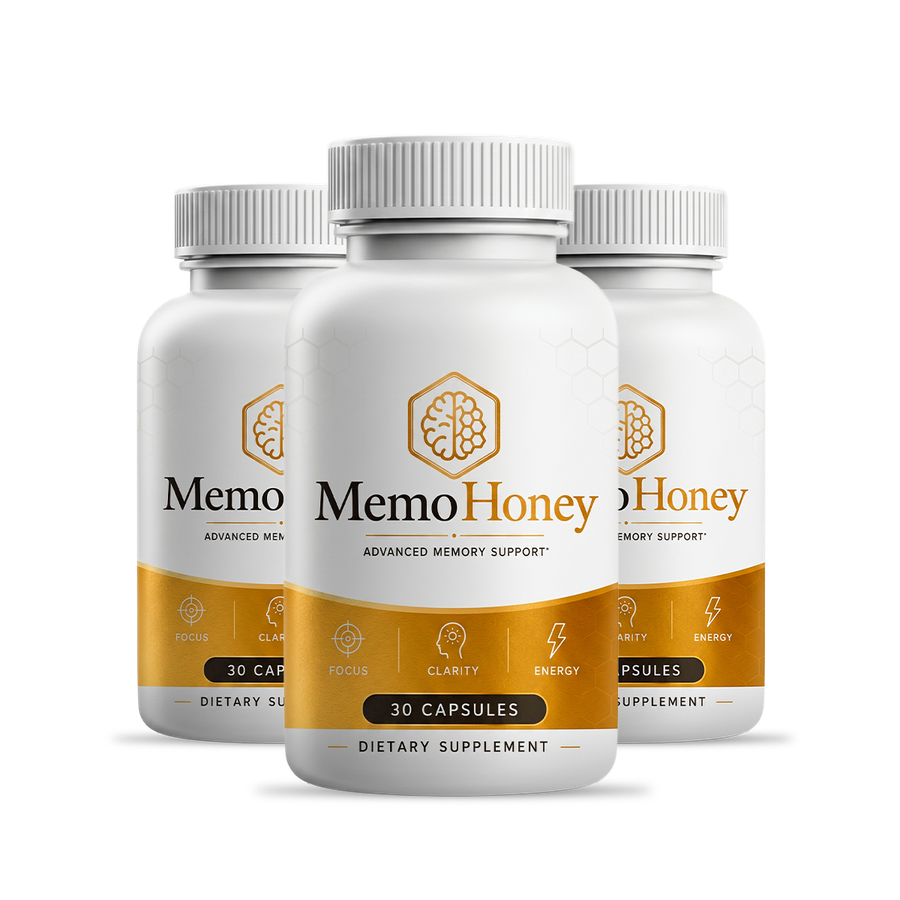
MemoHoney is a once-daily capsule supplement for memory, focus and mental clarity support in adults. Each bottle holds 30 capsules, so one bottle is a 30-day supply. The formula is a 600 mg proprietary blend of ten actives, anchored by Bacopa Monnieri (the best-evidenced botanical for memory) and Alpha-GPC (a bioavailable choline source feeding acetylcholine synthesis), with Acetyl-L-Carnitine, Lion's Mane, Bilberry, Green Tea Extract, Vitamin B6, Coleus Forskohlii, Cinnamon Bark and Himalayan Pink Salt.
It contains no declared stimulant beyond whatever caffeine the green tea extract carries, it is a dietary supplement rather than a medicine, and it is not FDA-approved. Packages run $158 to $294 with a 60-day money-back guarantee counted from purchase date. Expect to judge it at week eight to ten, not week one.
Strip away the marketing and MemoHoney is a straightforward proposition: a single capsule containing a modest blend of botanicals, an amino acid, a choline compound and a B vitamin, taken once a day for months rather than days. It sits in the stimulant-free corner of the cognitive supplement market, which means it is designed to be taken as a routine rather than felt as an event. If you are looking for something to sharpen a specific afternoon, this is the wrong category and coffee is the honest answer.
What it is not is a treatment. Under the framework the FDA applies to dietary supplements, products in this category may make structure-function claims such as “supports memory” but may not claim to treat, prevent or cure any condition. That is not a technicality: it is the regulatory system telling you directly that nobody assessed the claim before you read it. Our page on what MemoHoney is walks through the category in more detail, and the full review takes a position on whether the price is justified.
People who hit a wall mid-afternoon, lose the thread of a sentence more than they used to, and want a routine rather than a prescription. Wellness support, not medical treatment.
Memory changes that are worsening, or that other people have noticed, need a doctor. Several causes — thyroid, B12, sleep apnoea, medication effects — are entirely treatable.
The ingredients with real cognitive research accumulate across 8–12 weeks. Any page promising results in days is describing marketing rather than pharmacology.
The bar on each row is not decoration. It maps how directly the published research supports that ingredient for cognition specifically — not for glucose metabolism, not for body composition. Two rows fill nearly to the top. Three barely move, and we say so.
The best-evidenced botanical in the formula for memory specifically. Randomised, double-blind, placebo-controlled trial evidence in older adults, supported by a meta-analysis of standardised extracts. Effects accumulate across 8–12 weeks.
A highly bioavailable choline source that crosses the blood–brain barrier and feeds acetylcholine synthesis — the neurotransmitter most directly tied to memory formation. Choline is an essential nutrient most adults under-consume.
The acetylated form of L-carnitine, which crosses into the brain more readily than plain carnitine. Involved in mitochondrial fatty-acid transport and studied for cognitive outcomes in older adults.
Studied for its effect on nerve growth factor. Genuinely interesting preclinical work; the human trial base is smaller than the marketing around it suggests, and extract standardisation varies widely between products.
A close relative of the blueberry, dense in anthocyanins. The strongest cognitive research in this family comes from blueberry polyphenol trials showing improved vascular and cognitive performance in healthy older adults.
Supplies EGCG and, depending on the extract, some L-theanine and caffeine. Standardised to catechin content in research settings. Worth asking about caffeine content if you are sensitive or dose in the evening.
An essential nutrient with an established role in neurotransmitter synthesis and homocysteine metabolism. This is settled biochemistry rather than a supplement hypothesis, and the label carries a meaningful percentage of the Daily Value.
Source of forskolin, which raises cyclic AMP in cell models. The human research base sits largely in body-composition and cardiovascular work rather than cognition, so treat the cognitive framing as mechanistic reasoning rather than tested outcome.
Most published cinnamon research concerns glucose metabolism, not memory. It is a reasonable inclusion for a formula touching on steady mental energy, but it is not one of the ingredients doing the cognitive work here.
Trace mineral and electrolyte content. Nutritionally it behaves much like ordinary salt, and there is no cognitive literature supporting it as an active. We would not weigh it in a buying decision.
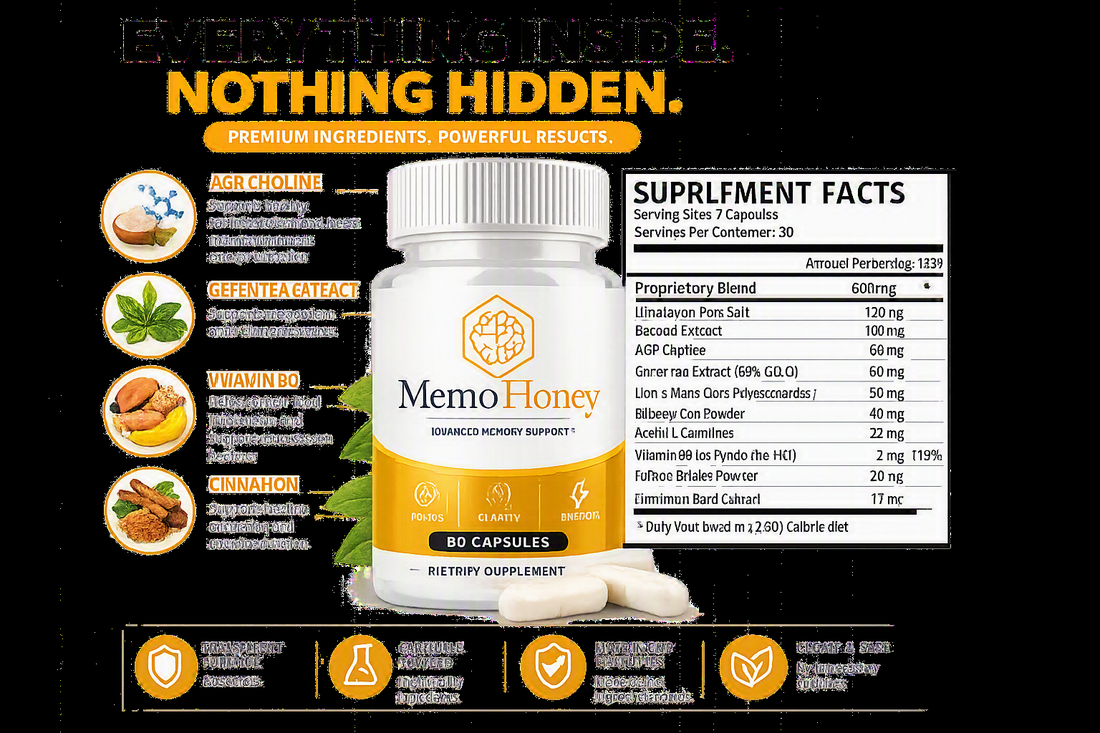
The proprietary blend problem. These ten actives are grouped under a single 600 mg blend total rather than listed with individual milligram amounts. Ingredients in a blend must be listed in descending order by weight, so you get a ranking — but the first ingredient could account for most of the 600 mg while the last few contribute a trace, and the label would read identically either way. Bacopa trials commonly use around 300 mg of a standardised extract on its own; Alpha-GPC research often uses 300–600 mg. Both figures are worth holding against a 600 mg total shared between ten things. If dose comparison matters to your decision, email the manufacturer and ask for the split in writing before you order. We cover how to read this kind of panel in the blog and in detail on the ingredients page.
Three pathways carry most of the weight, and they run on different timescales. The cholinergic pathway is the most direct: Alpha-GPC is a bioavailable choline source that crosses into the brain and feeds synthesis of acetylcholine, the neurotransmitter most closely tied to memory formation and attention. Choline is an essential nutrient that a large share of adults consume below the adequate intake level, so this is one of the few components with a plausible nutritional as well as pharmacological rationale.
The second pathway is adaptive rather than acute. Bacopa Monnieri does not act on the day you take it; its randomised trial effects appear across eight to twelve weeks, and the proposed mechanisms involve gradual changes at the synapse rather than an immediate neurotransmitter shift. Acetyl-L-Carnitine supports mitochondrial function and crosses into the brain more readily than plain carnitine, contributing to the same slow-build story.
The third is antioxidant and vascular: bilberry anthocyanins and green tea catechins against everyday oxidative stress. That is a reasonable premise, and it is where the undisclosed split inside the blend matters most, because these are ingredients where trial doses are well characterised and a trace amount would do nothing.
Supplement marketing promises transformation. The ingredient research supports something smaller and more useful: incremental support for the mental work you already do, noticed by comparing week ten to week one rather than by feeling a difference each day.
Bacopa's randomised evidence is the anchor — measured over months, in older adults, using standardised extracts at defined doses.
Alpha-GPC feeds acetylcholine synthesis; green tea contributes catechins and, in some extracts, a little caffeine and L-theanine.
Acetyl-L-Carnitine and Vitamin B6 both sit in well-mapped cellular energy and neurotransmitter pathways rather than speculative ones.
The most underrated benefit in supplements. Adherence is the hidden variable in every trial, and a simple routine protects it.
What the formula will not do. No supplement treats, prevents or reverses cognitive decline, dementia or Alzheimer's disease, and any product claiming otherwise is making a claim it is not permitted to make. If you or someone close to you is experiencing memory changes that worry you, that is a conversation with a doctor — and worth having early, because several causes are treatable and none of them are treated by a capsule. MedlinePlus has a good plain-English overview of when memory changes warrant assessment.
We ran the eight checks a sceptical buyer would run, against what this reference publishes versus what is typically available on other MemoHoney pages.
| Buyer check | Published here | Typical MemoHoney page |
|---|---|---|
| Correct ingredient list | All 10 from the printed panel | Often lists actives not on the label |
| Correct daily dose | 1 capsule · 30-day bottle | Frequently states 2 capsules |
| Blend structure explained | 600 mg total, split undisclosed | Not mentioned |
| Refund steps in full | All 5 steps, postage noted | Guarantee badge only |
| Subscription box warning | Named, with cancel line | Rarely disclosed |
| Interaction warnings | Forskohlii, green tea, Bacopa | Generic “ask your doctor” |
| Honest review status | No independent record — stated | Unverifiable star ratings |
| Weak ingredients admitted | Salt, cinnamon, forskohlii | All praised equally |
Reflects patterns observed across publicly accessible MemoHoney marketing pages in August 2026. Pages change — verify current claims yourself.
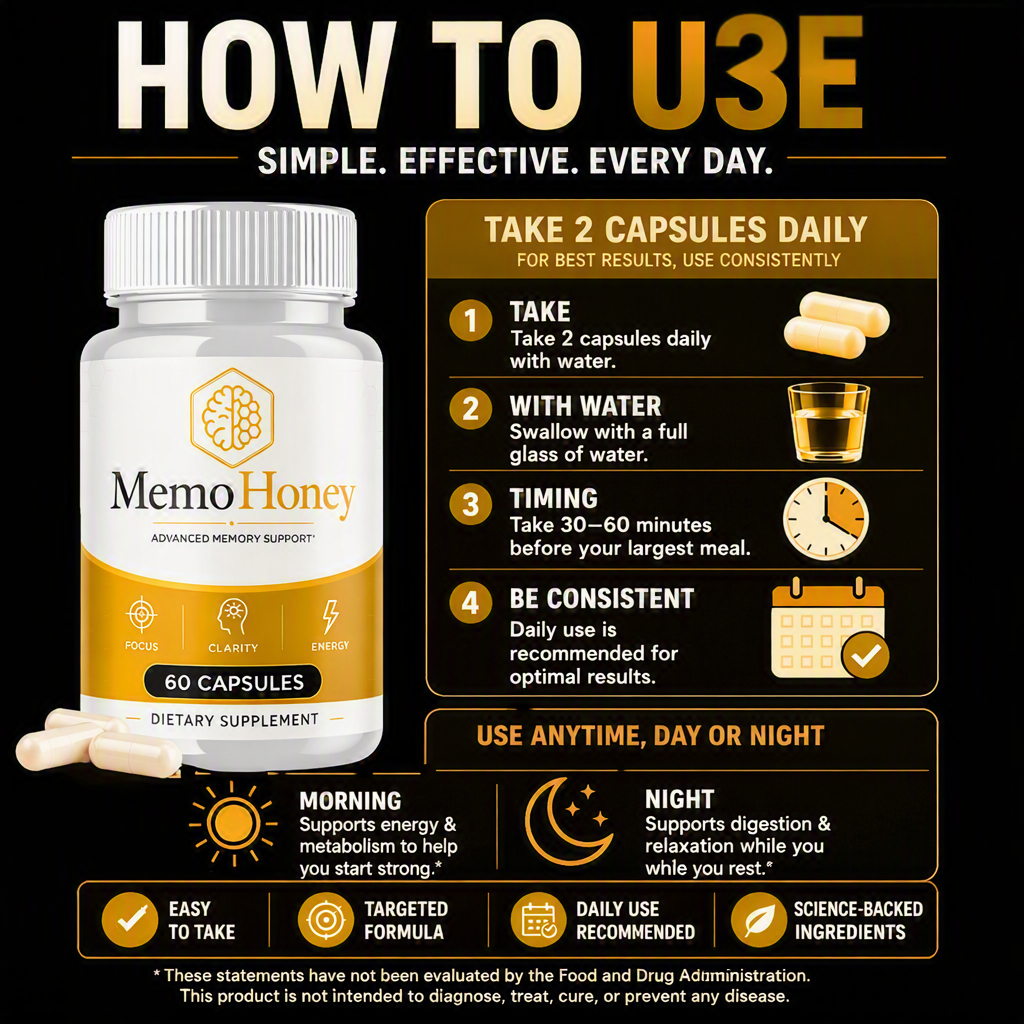
One capsule daily with water. The label does not specify timing or whether to take it with food, so pick whichever you will actually remember. Morning tends to win because morning routines are more stable than evening ones, and because green tea extract can carry caffeine — not something you want at bedtime if you are sensitive.
If you want a real answer rather than a vibe, write down two or three countable measures before your first capsule: how many times this week you walked into a room and forgot why, how often you lost a word mid-sentence, what time your afternoon fog arrives. Then put the note away and do not look at it for eight weeks. Checking weekly invites you to invent progress; measuring twice is more honest than measuring ten times.
One scheduling detail that catches people out: your 60-day refund window starts on the purchase date, so day 60 lands at roughly week eight — the very front edge of where the research would predict anything. Set a reminder for day 50 on the day you order.
It is worth saying plainly on a page that links to a product: the interventions with the strongest evidence for cognitive health are not sold in bottles. Regular aerobic exercise has randomised trial evidence for hippocampal volume and executive function. Adequate sleep is when memory consolidation physically happens. Blood pressure control appears repeatedly in the modifiable-risk literature. None of those cost $69 a bottle.
That is not an argument against supplements. It is an argument about sequence. If you are sleeping six hours a night and considering a $207 purchase to fix your concentration, you are optimising the wrong variable. Fix the foundation, then decide whether you still want the capsule — and if you do, it will work better on top of a decent night's sleep than instead of one.
Our cognitive wellness library covers the unglamorous side in depth: sleep architecture, caffeine timing, hydration, hearing, blood pressure and the habits that outperform every capsule ever sold.
“I bought the three-bottle pack after finding a page that actually printed the blend size instead of dancing around it. Ten weeks in, my afternoons feel less soupy. I'm not claiming miracles — I'm claiming I stopped losing the thread of my own sentences.”

“Four stars, not five. It took nearly two months before I'd say anything changed, and the first three weeks I was sure I'd wasted my money. If you want a coffee hit, skip it. If you'll take one capsule every morning for a full season, it's worth a look.”

“I take blood pressure medication, so I read the forskohlii note here, screenshotted the label for my pharmacist and got cleared before ordering. That two-minute step is why I trust this page. Nobody else selling it told me to check.”

Testimonials are individual experiences and are not a guarantee of results. Portraits are illustrative stock images, not photographs of the reviewers. There is currently no independent third-party review record for MemoHoney on platforms such as the BBB or Trustpilot — we would rather tell you that than imply a track record that does not yet exist.
If the Bacopa timeline runs 8–12 weeks, a two-bottle run barely reaches the starting line. Three bottles is the smallest honest trial. Six is the best per-day price and the worst fit for a first purchase, because your refund window closes at day 60 while the supply runs to day 180.
60-day supply
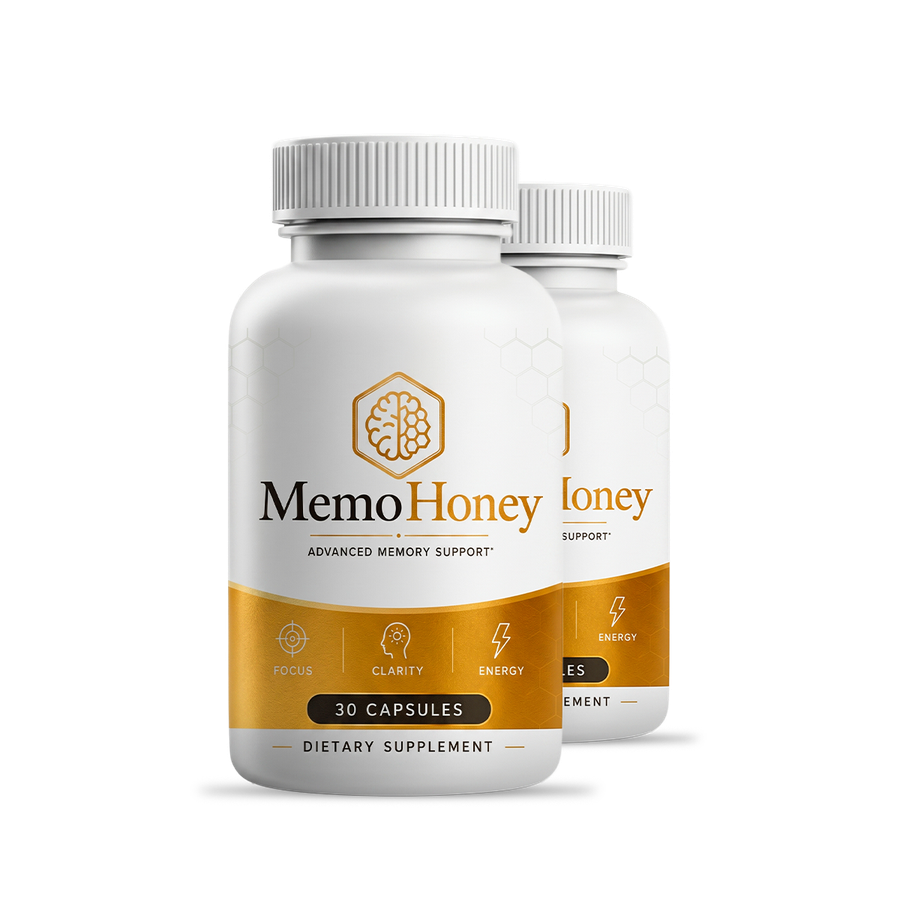
$158.00 total + shipping
90-day supply
$207.00 total · free US shipping
180-day supply
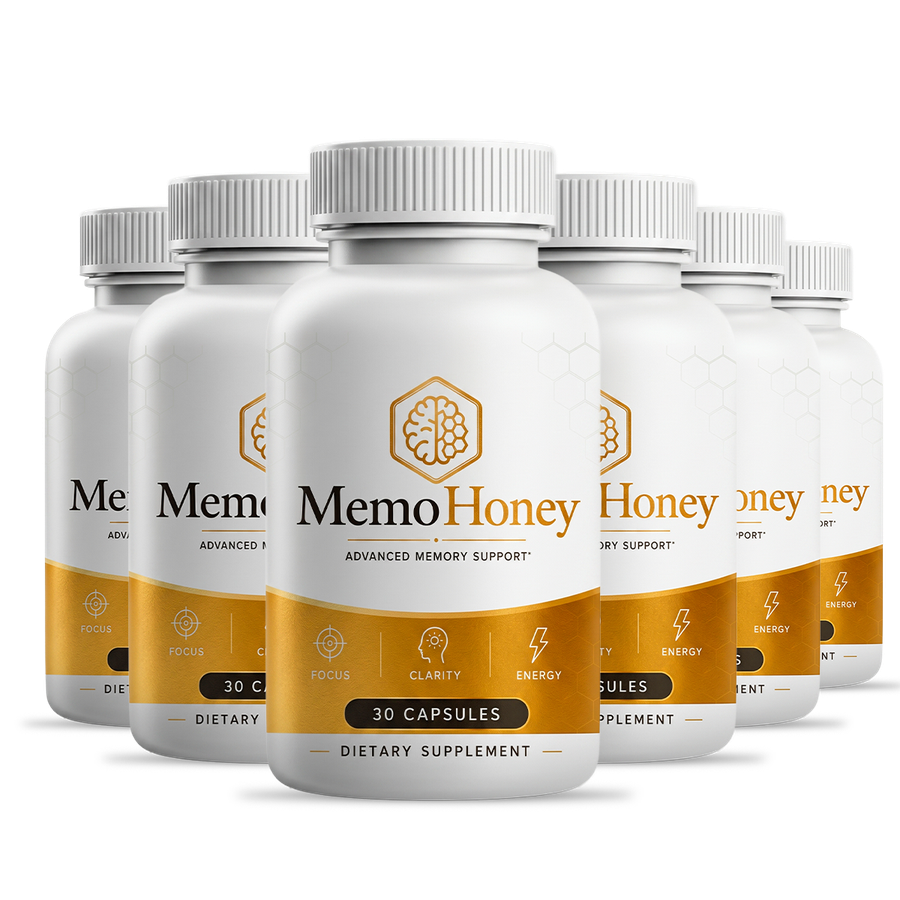
$294.00 total · free US shipping





Pricing verified 2026-08-13 on the official order page. Checkout is handled by BuyGoods, so BuyGoods may be the descriptor that appears on your card statement. Some seals shown are supplied by the manufacturer; the guarantee seal artwork does not replace the written policy, and the written window is 60 days from purchase date. Confirm your final total, including tax, before submitting your order.
Both the badge and the written policy are accurate. The badge is simply incomplete, and reading only the badge is how buyers get caught out on day 58.
Your 60 days run from the purchase date, not delivery. Your confirmation email is the record that matters. Diarise day 50.
Write to customer service with “Refund Request” in the subject line before you post anything back.
Opened, empty or sealed — all of them, with the packing slip, to the Ogden, Utah returns address.
Return shipping is yours and is not reimbursed. On a six-bottle return that is a real cost worth pricing in up front.
Before you submit your order: the BuyGoods checkout carries an opt-in “Subscribe & Save” tickbox, unchecked by default. Tick it and you are billed monthly at your package price until you cancel — and cancelling is by telephone on (866) 838-5063, not through an online dashboard. For a one-time purchase, leave it alone. Processing after they receive your return takes 5–10 business days; no restocking fee is stated. Full detail on the refund policy page.
MemoHoney is a daily capsule supplement marketed for memory, focus and mental clarity support in adults. One capsule per day, 30 capsules per bottle, so each bottle is a 30-day supply. The formula is built around a 600 mg proprietary blend of ten actives, led by Bacopa Monnieri and Alpha-GPC, with Acetyl-L-Carnitine, Lion's Mane, Bilberry, Green Tea Extract, Vitamin B6, Coleus Forskohlii, Cinnamon Bark and Himalayan Pink Salt. It is a dietary supplement, not a medicine, and it is not FDA-approved. Full detail on the ingredients page.
One capsule daily with water. The label does not specify a time of day or whether to take it with food, so most people anchor it to breakfast — the habit matters more than the hour. Because the botanicals with the strongest research build up over weeks, consistency is the whole point. Store the bottle cool, dry and out of direct sunlight, and keep it away from children.
Plan on 8 to 12 weeks before judging it. That window comes from the Bacopa Monnieri research, where cognitive effects emerge across months of daily dosing rather than days. Alpha-GPC may act somewhat faster since it feeds acetylcholine synthesis directly, but nothing here is a stimulant and there is no same-day effect to feel. The three-bottle package is the smallest honest trial.
Three packages are sold: two bottles at $158 total ($79 per bottle) plus shipping; three bottles at $207 total ($69 per bottle) with free US shipping; and six bottles at $294 total ($49 per bottle) with free US shipping. That works out at roughly $2.30 a day on the three-bottle package and $1.63 a day on the six. Compare the per-bottle figures rather than the on-site savings badges.
Yes — 60 days, counted from your purchase date rather than your delivery date. The badge language is friendlier than the written policy, which asks you to email support with “Refund Request” in the subject line, return every bottle with the packing slip to PO Box 12730, Ogden, UT 84412, cover your own return postage, and allow 5–10 business days after receipt. Full steps on the refund policy page.
No, and neither is any other dietary supplement. The FDA does not approve supplements the way it approves prescription drugs. Manufacturers carry responsibility for safety and labelling compliance, and the agency acts after a product reaches market. Any page claiming a supplement is “FDA approved” is misleading you.
No independent safety study exists on the finished product, so the honest answer is that the complete profile is not established. At ingredient level, the considerations worth raising with a pharmacist are: Green Tea Extract may contain caffeine and interacts with some medications; Coleus Forskohlii can affect blood pressure and interacts with antihypertensives and blood thinners; Bacopa has a possible interaction with antidepressants; and Alpha-GPC warrants care if you take anticholinergic or cholinergic drugs. Mild digestive upset in the first week is the most commonly reported complaint across this ingredient class.
Not automatically. The BuyGoods checkout shows an opt-in “Subscribe & Save” box that is unchecked by default. If you tick it, your card is billed monthly at your package price until you cancel, and cancellation is by telephone on (866) 838-5063 rather than through an online dashboard. For a one-time purchase, leave the box alone and check it once more before you submit.
There is no evidence for that. The order page functions, checkout runs through BuyGoods, the label lists ingredients rather than hiding everything, and no complaint records were found on the Better Business Bureau, Trustpilot or comparable platforms. There is also no independent review record confirming it works. The useful question is not whether it is a scam but whether the blend size, the ingredient research and the refund terms justify the price for you — which is what our full review works through.
Through the official order page only, with checkout completed by BuyGoods. No authorised third-party retailer has been identified — not Amazon, not Walmart, not pharmacy chains. Buying elsewhere puts your purchase outside the seller's order records, which is what the 60-day guarantee is administered against, and leaves you unable to verify storage history or authenticity.
The capsule shell is a plant-derived cellulose material rather than gelatin, which makes the shell itself suitable for vegetarians. Confirm current allergen and dietary status directly with customer service before ordering if you have a strict requirement, since formulations and suppliers can change without the marketing copy changing.
Anyone under 18, anyone pregnant or nursing, anyone managing a diagnosed neurological condition — that needs a specialist, not a supplement — and anyone taking prescription medication who has not cleared the formula with a prescriber or pharmacist. Coleus Forskohlii and Green Tea Extract are the two ingredients most likely to matter in an interaction check. If memory changes are worsening or others have noticed them, see a doctor first: several causes are treatable, and the National Institute on Aging has a plain-English guide on when to seek assessment.
Clinical reviewer
Sixteen years in community and ambulatory pharmacy practice, focused on supplement–medication interaction review and patient counselling. Reviews every claim on this site that touches safety, dosing or interactions.
Editor
Consumer health editor. Verifies label data, pricing and refund terms against the product panel, the official order page and the published return policy before anything goes live, and dates every page so you know how fresh it is. More about our process.